
Site Prep for Shipping Container Delivery: The Complete Checklist
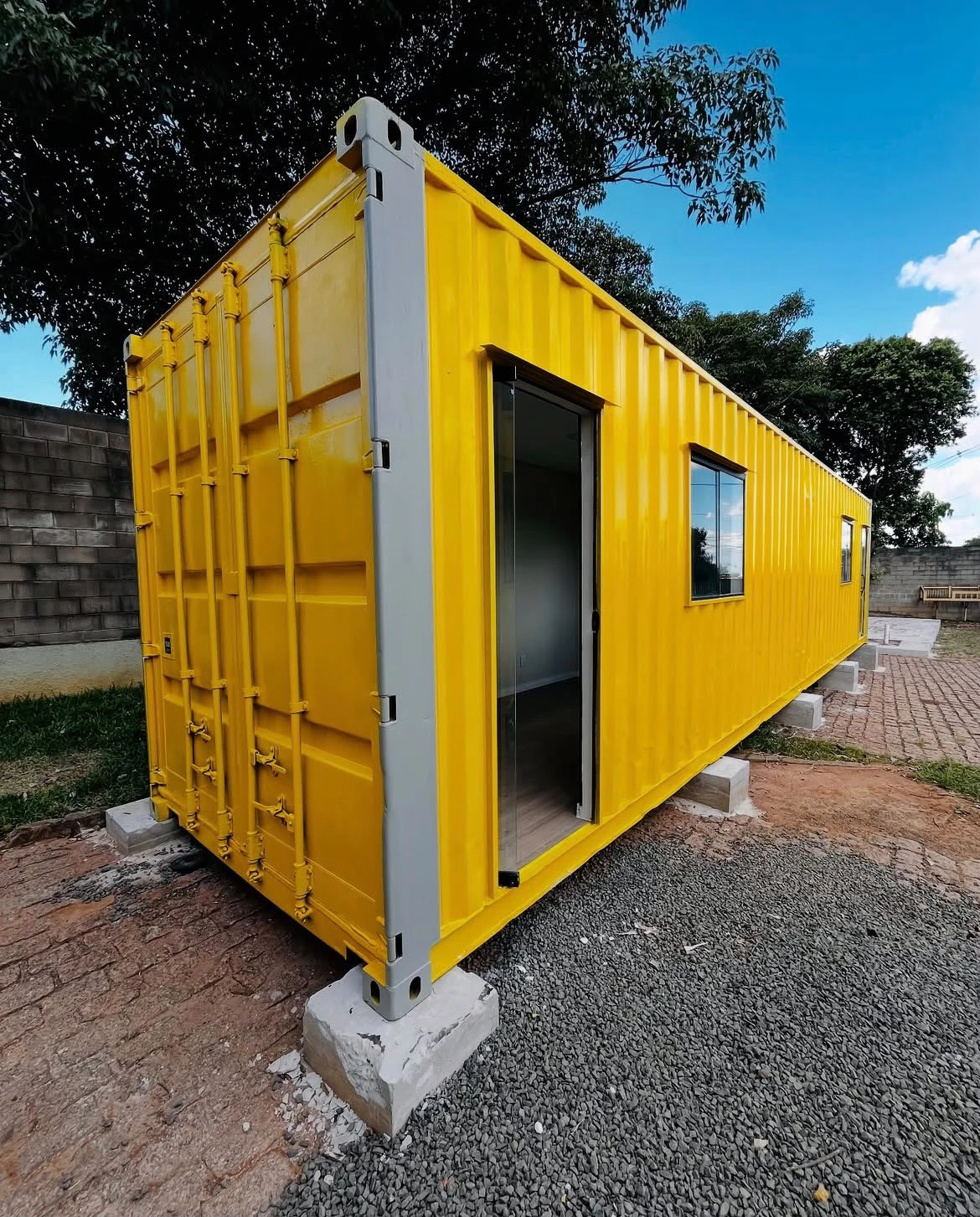
Most container delivery problems have nothing to do with the container. The truck cannot reach the spot, the ground is too soft, or a low branch blocks the unload. Good site prep for shipping container delivery takes an hour of planning. It saves you rescheduling fees, ruts in your yard and a container sitting in the wrong place for years.
Before you order
Send us a photo of the drop spot and the access route, plus the gate width. Our team will confirm whether the site works and which delivery method fits.
How shipping containers are delivered
Tilt-bed (roll-off) trailer
This is the most common method for 10, 20 and 40 ft containers. The trailer bed tilts and the truck drives forward, letting the container slide off onto the ground. The driver can usually place the container fairly precisely without a crane or forklift.
Flatbed with crane or forklift offload
The container arrives on a flatbed and is lifted off by a crane, a large forklift or a truck-mounted crane. This works when there is not enough straight-line room for a tilt-bed. It can also set a container onto a raised foundation. Offload equipment may be provided by you or arranged at extra cost.
How much space does a container delivery need?
Space requirements depend on the container length, the truck and the method. The figures below are commonly used guidelines for tilt-bed delivery. Always confirm with our dispatch team for your specific order.
| 20 ft container | 40 ft container | |
|---|---|---|
| Straight-line length needed | approx. 75–100 ft | approx. 110–150 ft |
| Access width | at least 10–12 ft | at least 10–12 ft |
| Overhead clearance during unload | approx. 14–18 ft | approx. 14–18 ft |
The truck needs room for itself, the trailer and the container, plus space to pull forward as the container slides off. A high cube container needs a little more overhead clearance than a standard one. Our high cube vs standard guide explains the difference.
Ground conditions: firm, level and dry
A loaded delivery truck is very heavy. Soft ground is the number-one cause of stuck trucks and cancelled drops.
- Firm: Gravel, compacted soil, asphalt or concrete are ideal. Avoid soft lawns after rain.
- Level: A level drop spot keeps the doors square so they open and close smoothly. Twisting from uneven ground is a common cause of stiff doors.
- Clear: Remove vehicles, stored materials, low branches, fencing and debris from the route and drop spot.
- Utilities: Mark septic tanks, leach fields, drain lines, water lines and buried cables. Keep the truck well away from them.
Weather matters
If heavy rain is forecast or the ground is saturated, contact us to reschedule. A short delay is far cheaper than a stuck truck or a damaged yard.
Foundation options for your container
A container does not need a full concrete slab. It carries its weight on the four corner castings. Supporting those corners on a level base keeps the container square and lifts the floor off wet ground, which reduces rust and condensation.
| Base | Pros | Things to consider |
|---|---|---|
| Compacted gravel pad | Good drainage, affordable, easy to level | Needs a border to stop gravel spreading |
| Concrete blocks or piers at corners | Low cost, lifts the container for airflow | Blocks must be level and on firm ground |
| Railroad ties or timber beams | Quick and simple | Timber can rot or settle over time |
| Concrete slab or footings | Most permanent and stable | Highest cost, and may trigger permit requirements |
Many customers set concrete blocks at each corner, with extra support midway along a 40 ft container, on a compacted gravel base.
Permits, zoning and HOA rules
Rules for placing a container vary widely by city, county and neighbourhood. Some areas treat a container as a temporary structure, while others require a permit, setbacks from property lines or screening. Check with your local planning or zoning office, and your HOA if you have one, before delivery day.
Delivery day checklist
- Mark the exact drop spot, and which direction the doors should face.
- Clear the access route and drop area of vehicles, materials and obstacles.
- Check overhead clearance for branches, wires and carport roofs.
- Set and level your foundation blocks or gravel pad in advance.
- Keep pets and children well away from the truck during unloading.
- Have someone on site to guide the driver and sign for the delivery.
- Inspect the container, open and close the doors, then store the keys or lockbox details.
Tell us which way you want the doors to face before the truck is loaded. It is much easier to plan it than to spin a container on site.
Frequently asked questions
Can a container be delivered onto grass?
Often yes, if the ground is firm and dry. After heavy rain, grass and topsoil can be too soft for a loaded truck. Gravel access is always safer.
Can you place a container in a tight backyard?
Tight sites can sometimes be reached with a crane offload or a smaller container. Send us photos and measurements so we can check before you order.
How level does the ground need to be?
As level as practical. Even a small slope across the length of a 40 ft container can make the doors bind. Use blocks or shims under the corners to correct it.
Confirm your site before you buy
Send us your address, photos of the drop spot and the container you want. We will confirm access and delivery options and give you a delivered price.